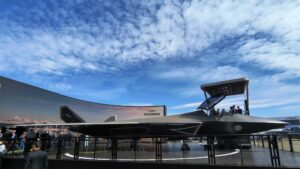
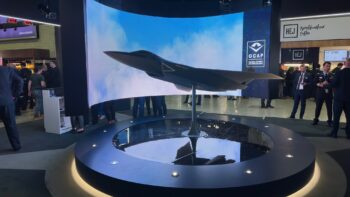
Could Germany join GCAP? UK ‘seeks to progress’ the potential switch
Berlin has been exploring next-gen fighter options since the collapse of the FCAS program this summer.
Berlin has been exploring next-gen fighter options since the collapse of the FCAS program this summer.
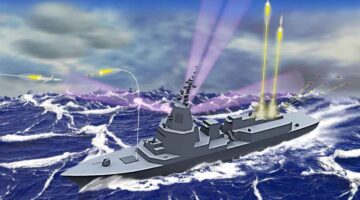
Japan and South Korea are stepping up their naval game in the face of China's phenomenal expansion.


New threats, including downstream attacks, drive the need for improved tools to protect critical assets.
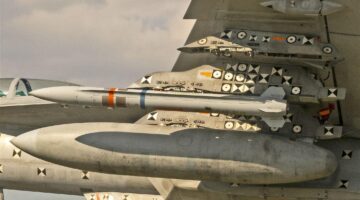
Other weapons sought include submarine-launched missiles and missile modules for underwater drones.
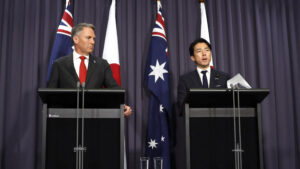
Both countries will also accelerate discussions for Japan to use Australian ranges for hypersonic weapon tests.

The data from the hosted payloads on QZS-7 and its predecessor QZS-6 will feed into the US Space Surveillance Network operated by the 18th Space Defense Squadron.
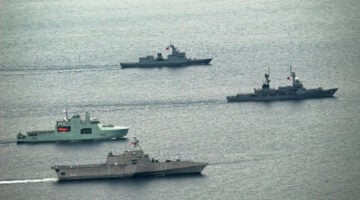
President Donald Trump has called for the US to outsource the building of at least a few Navy ships to foreign shipyards.
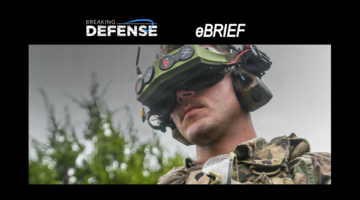
There is no single answer to the drone threat, pushing the Pentagon toward a broader mix of defenses.
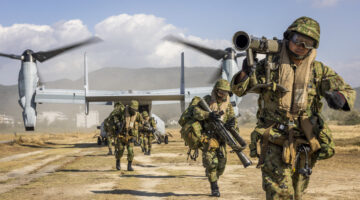
The latest defense white paper, accompanied by an anime-style summary video, also pledges continued industrial cooperation with American firms.
Lorenzo Mariani said the sixth-gen fighter could enter service two years ahead of its 2035 target date, but only if some requirements for the "initial version" were altered.

In the face of growing air and missile threats in the Pacific, robust radar coverage and command networks will be critical to US and Japanese defense objectives, Tom Karako writes.
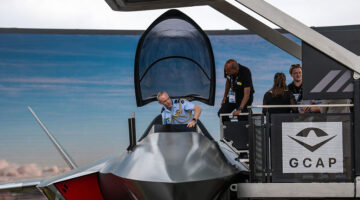
Official announcements were circumspect about any active role for Ottawa in the sixth-gen fighter program, but that could change.


As threats continue to evolve, speed will increasingly depend on what is already available when the need emerges.

Japanese defense chief Shinjiro Koizumi said Canada's new involvement in GCAP was "monumental."
David McGuinty said Canada's planned F-35 purchase is still under review and will remain so “until we take the time to get it right for Canadians.”
Few details were provided, but the potential move comes amid tightening security ties between Tokyo and Hanoi.
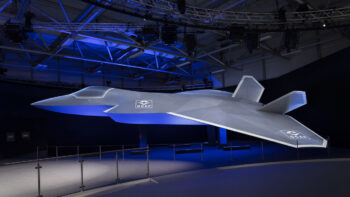
While Ottawa previously confirmed its first order for 16 Lockheed Martin F-35s, it has spent the last year reviewing its future fighter jet fleet options.